
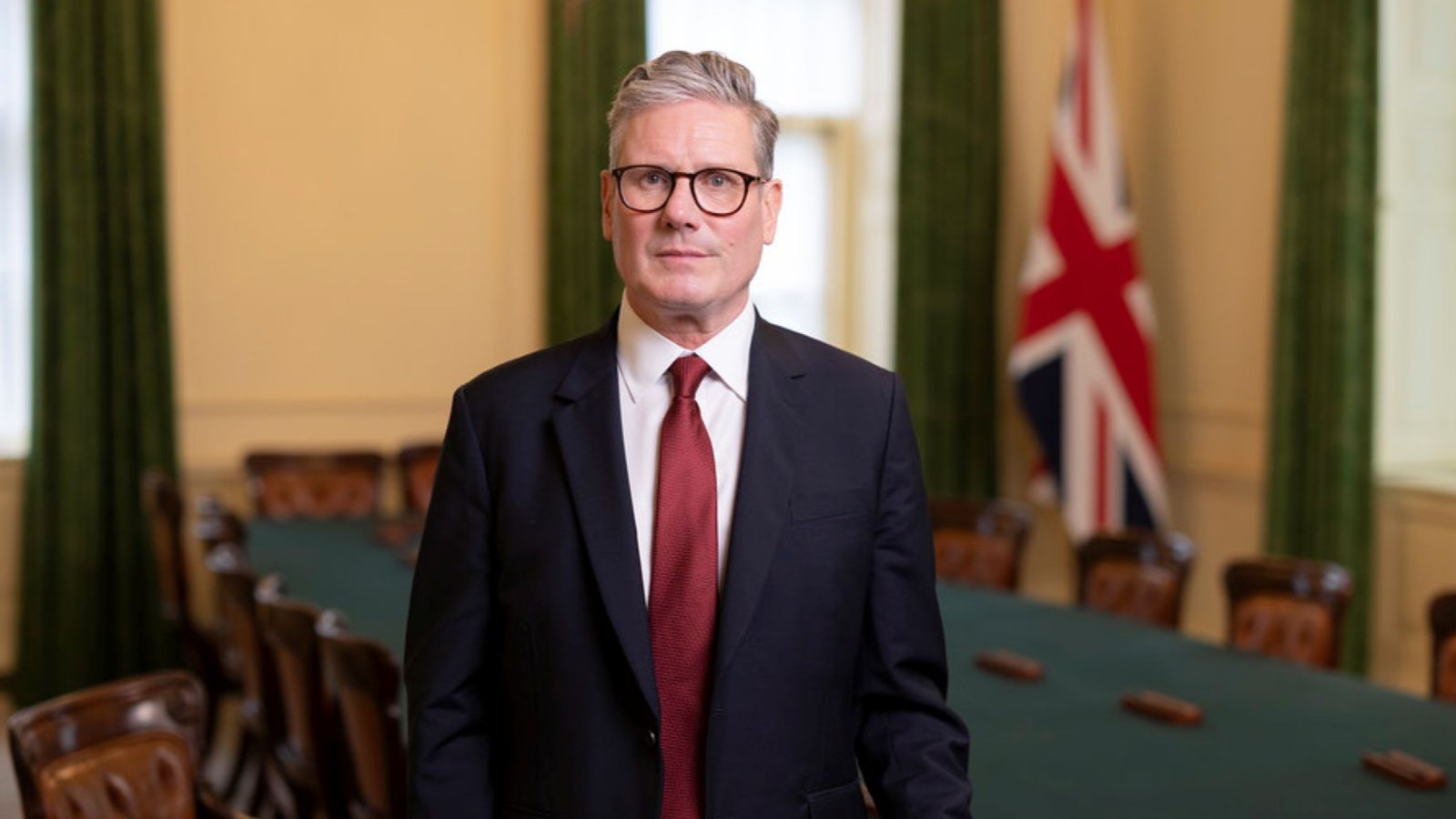
Starmer Resigns: Andy Burnham Is a 92% Favorite to Be the Next UK PM
- Keir Starmer announced Monday that he will resign as leader of the UK's governing Labour Party, clearing the way for a new prime minister. He will stay on as caretaker until the party picks a successor.
- Andy Burnham, the popular former mayor of Greater Manchester, is the runaway favorite to replace him. On Kalshi, Burnham is priced at about 92% to be the next UK prime minister.
- The trigger was a by-election. Burnham won a seat in Parliament last week, was sworn in Monday, and immediately confirmed he will run for the Labour leadership.
- A possible rival stood down. Former Health Secretary Wes Streeting said he will back Burnham instead of running, which could leave Burnham unopposed and in office within weeks.
- The market has no close second. Behind Burnham, no other contender on Kalshi tops about 3%, on a market that has traded more than $879,000.
LONDON - The bet now is on Andy Burnham. British Prime Minister Keir Starmer announced Monday that he will resign as leader of the governing Labour Party, and the betting markets have already crowned a heavy favorite to replace him. On Kalshi, Burnham, the popular former mayor of Greater Manchester, is priced at about 92% to be the next UK prime minister.
Starmer, his voice breaking at times, made the announcement in a short statement outside 10 Downing Street. He said he had informed King Charles III of his decision. He will stay on as caretaker prime minister until Labour chooses a new leader, who will then take over the top job.
Burnham Is a 92% Favorite
The market is not hedging. As of Monday, Kalshi priced Burnham at 92.3% to be the next prime minister, a number that had climbed about 5 points on the day. No one else was close. Rupert Lowe sat at about 2.4%, Ed Miliband at about 2%, and the rest of the field lower still. The market has traded more than $879,000.
For bettors, the contract is simple. It pays out if Burnham becomes the next prime minister. At 92%, the market is treating that as close to a done deal.
It helps to separate the numbers here. The 92% is Burnham's chance to win the job. The other figure that matters, 20%, is the share of Labour members of Parliament a candidate needs just to qualify for a leadership contest. More on that below.
How Starmer Got Here
Starmer's fall was fast for a man who won a landslide only two years ago. Labour swept to power in 2024 with a huge majority, but his approval ratings then sank to record lows. Many voters felt little had changed after years of cutbacks, and a populist, anti-immigration party, Reform UK, surged. After Reform's strong showing in May local elections, Labour lawmakers began to turn on their leader.
The exits piled up. Health Secretary Wes Streeting quit last month with a sharp attack on Starmer's record. Defense Secretary John Healey resigned this month in a fight over military funding. Starmer was also dogged by a scandal over Peter Mandelson, whom he had named ambassador to Washington in 2024 and later fired over Mandelson's ties to the late sex offender Jeffrey Epstein.
The By-Election That Changed Everything
The final push came from Burnham himself. In a coordinated move, a Labour lawmaker stepped down to open a seat, Burnham quit as Manchester mayor, and he ran in the Makerfield by-election near Manchester last week. He won easily, even beating back Reform in an area where the party had recently swept local seats.
That victory made Burnham a member of Parliament again, and an MP is eligible to lead the party. He traveled to London, was sworn in Monday, and confirmed within hours that he will run for the leadership. Starmer had vowed on Friday to stand and fight. By Monday, he stood aside, saying he had heard the answer of his party and accepted it with good grace.
Why the Market Is So Confident
The 92% line rests on a clear path. Burnham's main potential rival, Streeting, announced Monday that he would back Burnham rather than run against him. That removed the most obvious threat. If no one else clears the bar to force a contest, Burnham could be installed as leader, and prime minister, without a vote.
Under Labour's rules, a challenger needs the support of 20% of the party's MPs to qualify. If only Burnham clears that bar, the contest is over before it starts. One political risk firm has predicted he could take office as soon as mid-to-late July.
What Comes Next
Starmer said nominations to replace him will open July 9 and close around July 16, when Parliament breaks for its summer recess. If Burnham runs unopposed, he could move into Downing Street shortly after. If a real contest forms, a new leader would be chosen by Sept. 1, before Parliament returns. Until then, Starmer remains caretaker.
Burnham would become the United Kingdom's seventh prime minister in a decade. He would also inherit Starmer's problems, from heavy government debt to high energy prices to the steady rise of Reform. He has tried for the Labour leadership before, losing in 2010 and 2015. This time, the market thinks the third try is the charm.
The Bottom Line
Starmer is on his way out, and the betting world has all but filled in his replacement. Burnham, at 92% on Kalshi, is the runaway favorite, and the people he might have feared most are lining up behind him instead.
For the latest election odds, the question is no longer whether Burnham is the favorite. It is whether anyone will make him sweat for it, or whether he walks into Downing Street unopposed within weeks.