
2028 Presidential Election Betting Odds
Live odds on the 2028 White House race: the overall winner, both party primaries, the party-control market and the VP field. Prices from Polymarket and Kalshi, updated twice daily.
The 2028 presidential race is the most wide-open White House contest in modern American politics. President Donald Trump is term-limited, both major parties face genuinely contested primaries for the first time since 2016, and not a single candidate has cleared 25 percent on the prediction markets where traders are putting real money on the outcome. Below: live election odds for every major candidate, updated twice a day from Polymarket and Kalshi, the two largest prediction markets covering U.S. politics.
Who's favored to win the 2028 presidential election?

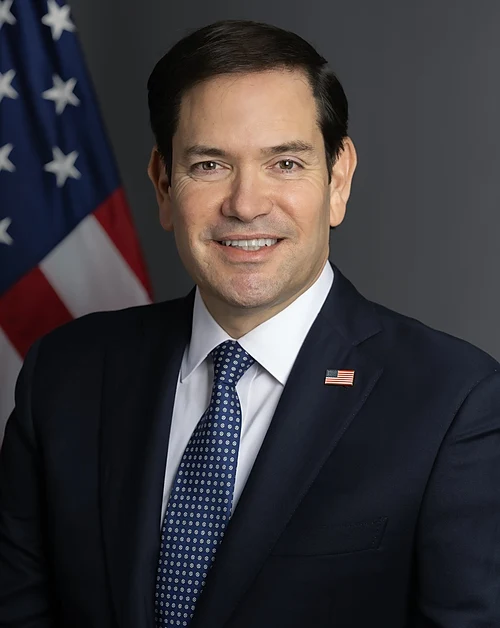
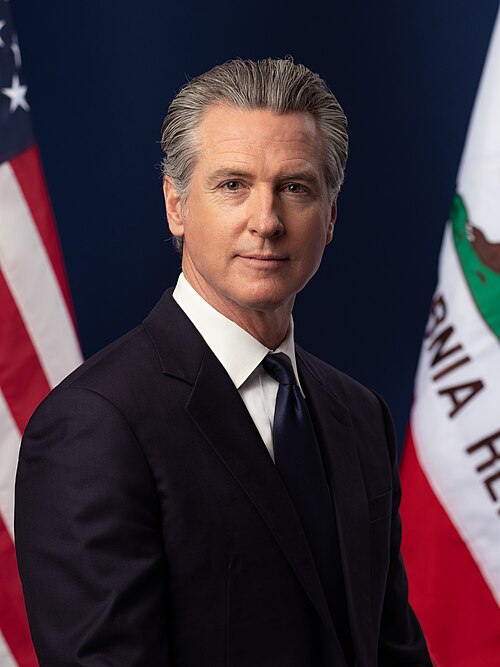
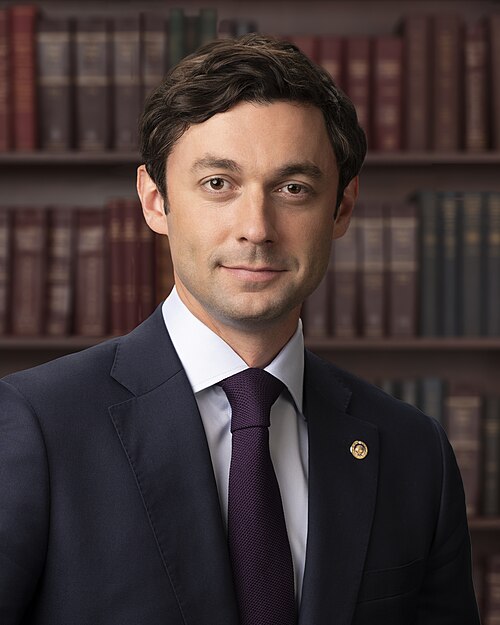
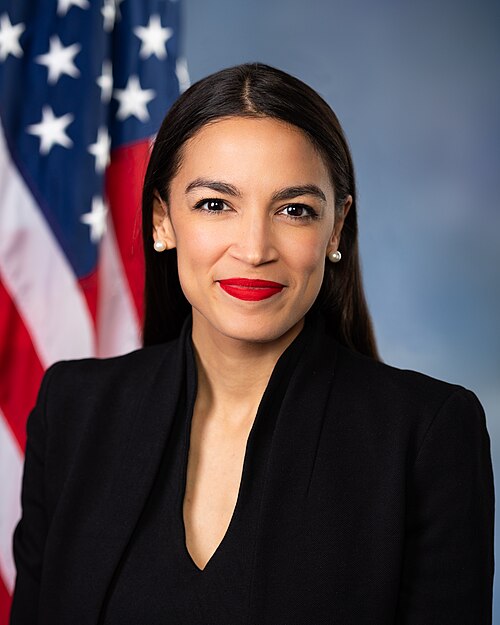
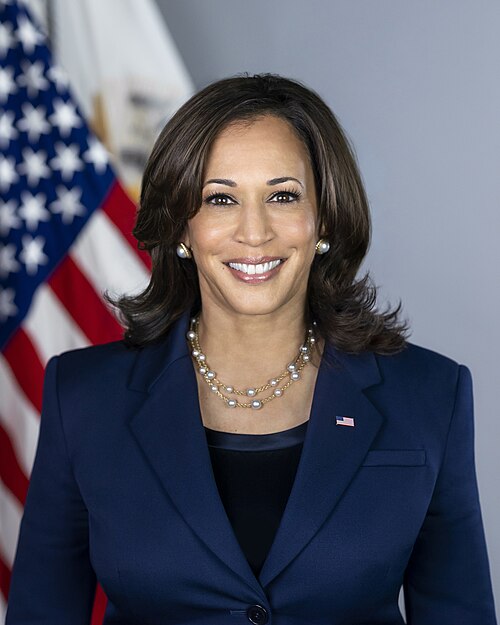
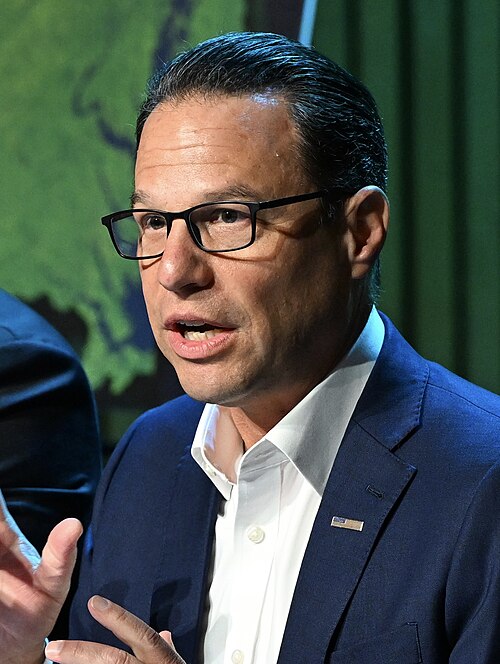

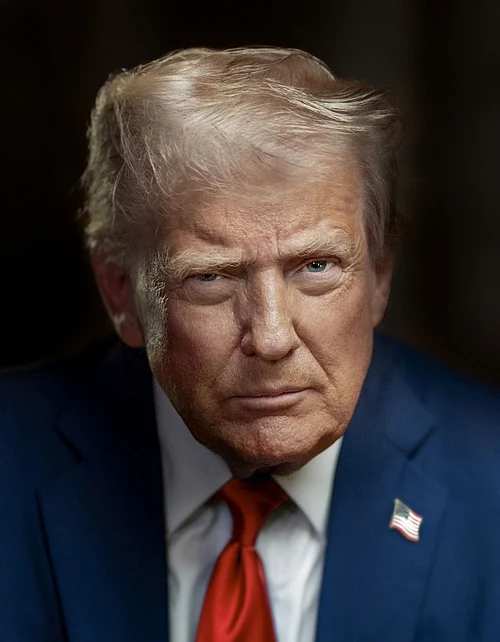
The numbers above are pulled live from the largest political prediction market on the internet. What jumps out immediately is how flat the field is. The leading candidate sits in the high teens. Number two is a few points back. Spots three through eight are bunched within single digits of each other. That's not how a presidential race usually looks three years out. It's how one looks when nobody knows who's going to run.
Vice President JD Vance is the closest thing to a frontrunner the markets have produced, an inheritance of the sitting-VP role, the donor network and Trump's coalition. Secretary of State Marco Rubio has been climbing on an aggressive foreign-policy portfolio. On the Democratic side, California Gov. Gavin Newsom holds a soft lead, with Pennsylvania Gov. Josh Shapiro the name traders watch most closely after him. The honest read is that these numbers reflect a market trying to price three years of unknowns. When the field consolidates, probably in late 2026 or early 2027, the leaders will separate. For now, the spread is the story.
Democratic primary odds
Newsom's lead in the Democratic primary market is more durable than his lead in the general election market, and the reason matters. Primary markets price who wins the nomination. General election markets price who wins the whole thing, which downgrades a candidate by their projected weakness against the Republican nominee. Newsom polls poorly in the Sun Belt and looks like a tough sell in the Midwestern states Democrats need, so traders give him the best shot at the nomination but a worse shot at the presidency.
Shapiro's case is strong and getting stronger: he won Pennsylvania by 14 points in 2022 and governs a state Democrats have to win. Ocasio-Cortez has the most committed activist base in the party and a fundraising ceiling no one else can match, with the main question being whether she runs at all. Harris is the wild card, the most recent nominee, quiet since leaving office, and the volatility leader of this market on every signal she sends.
Republican primary odds

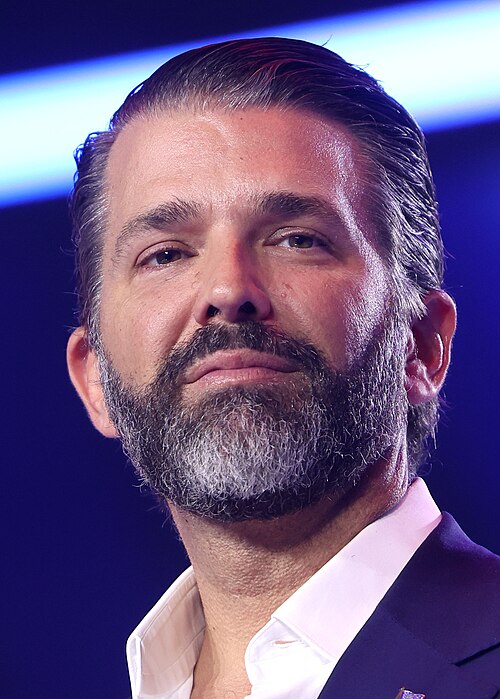
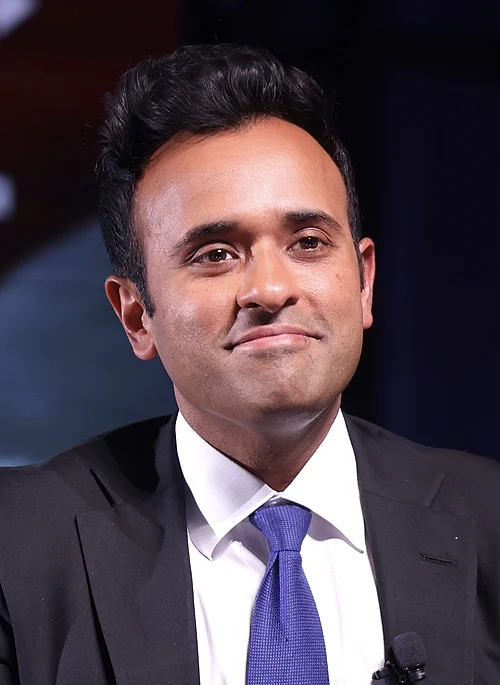
The Republican primary market reads like a Trump-administration org chart, which is appropriate because that's where the next nominee is most likely coming from. Vance has the inside track: sitting vice president, Trump's apparent approval, and the MAGA infrastructure broadly his to inherit if he doesn't fumble it.
The interesting question is who emerges as the alternative. Rubio is the consensus answer right now, priced roughly where you'd expect a sitting Secretary of State with a national profile. The case for him is fundraising and donor-class appeal; the case against is that the base hasn't warmed to him and he won exactly one state the last time he ran. Ron DeSantis sits at modest single digits, a steep markdown from two years ago, and whether he mounts a second bid depends on whether the party gives him a second look. The market is currently betting it won't.
Which party will win the presidency?
This market gets less attention than the candidate markets but it's arguably more important, because it prices which party wins the White House regardless of nominee. A "generic Democrat" or "generic Republican" can sometimes outpoll any specific named candidate, because real candidates have real flaws. When the candidate market has no one above 20 percent but the party market favors one side, that's the market saying it expects that party to win but isn't sure which nominee will carry the banner. Watching the candidate market converge with the party market is one of the better real-time signals about who's seen as electable. Right now the party market is essentially a referendum on the Trump second term: approval ratings, midterm results and economic indicators move it more reliably than any individual candidate development.
Frontrunner profiles
Here are the 12 names traders are pricing most actively for 2028, grouped by party and ordered by current win-probability, each with a live number and a link to its full candidate profile. The odds update twice daily alongside the rest of the page.
Republican contenders
The sitting vice president and the steadiest name at the top of the Republican board. Vance inherits the donor network, the early-state organization and a base that has largely lined up behind him, which is why traders price him as roughly twice as likely as the next Republican. The open questions are the ones every heir apparent faces: whether his instincts hold up under the glare of a top-of-ticket run, and whether the coalition that loves him in 2026 still loves him once the field gets crowded.
The party's future in 2010, its lost candidate in 2016, and now its most visible diplomat, Rubio has been the consensus Republican second choice for most of the cycle. His foreign-policy portfolio keeps him in the headlines and his fundraising network is real. The doubt that has trailed him for a decade is whether the base ever truly warms to him: the last time he ran in a contested primary, he carried a single state. A second act this credible has never been tested at the ballot box.
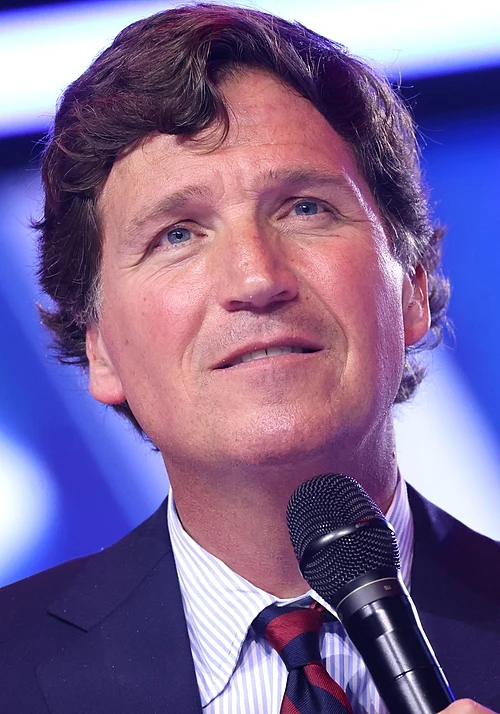
The field's true wild card, and the only top-priced name with no campaign apparatus of any kind. Carlson commands one of the largest direct audiences on the American right, and that reach alone keeps him on every market even though he has shown no concrete sign of running. His number is less a forecast of a campaign than a measure of how much the base would listen if he ever decided to launch one. Treat the price as a proxy for influence, not intent.
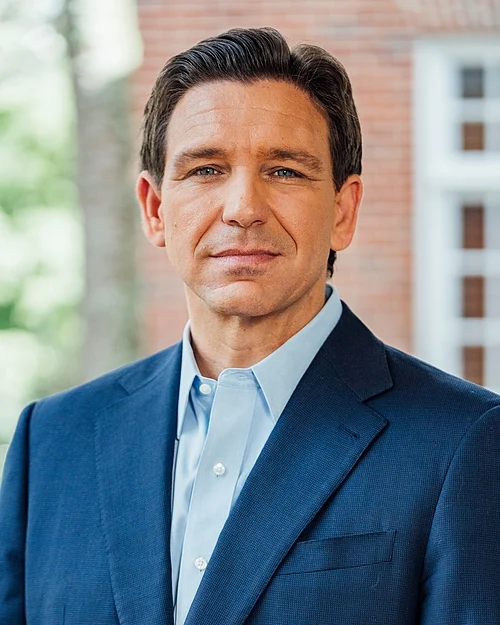
The name everyone wants to ask about and no one can quite place. Term-limited out of Florida in early 2027, DeSantis still holds leftover organization and donor relationships from his 2024 run, and he has spent 2026 keeping his profile high through immigration enforcement and a special-session redistricting push. The markets have marked him down sharply from where he stood two years ago. Whether he gets a genuine second look depends entirely on whether the party decides it wants one.
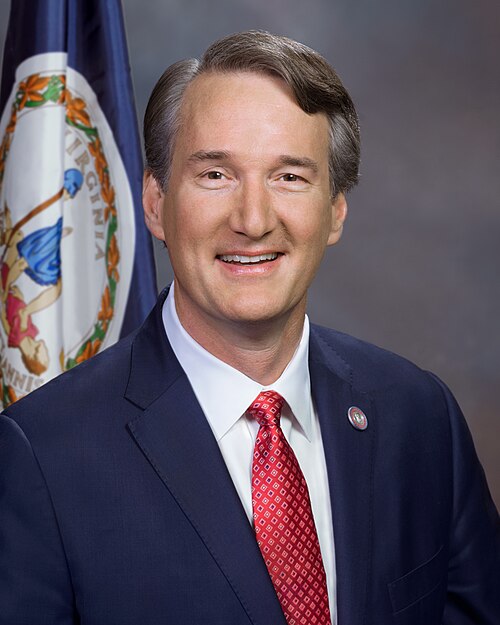
The low-priced longshot with the resume to move quickly if conditions shift. Term-limited out of Virginia, Youngkin endorsed Vance early but never dismantled his own political operation, and his business background and donor reach give him a standing start most longshots lack. The markets price him at the bottom of the serious tier, but he is exactly the kind of candidate whose number jumps the moment a frontrunner stumbles.
Democratic contenders
The most consistent Democratic frontrunner the markets have produced, and the one whose ceiling traders argue about most. Newsom has spent two years building a profile beyond California through cable hits, a book tour and quiet trips to early states. The pitch lands hardest with voters Democrats already hold; the harder sell is the bloc the party actually needs in Pennsylvania, Wisconsin and Michigan, where the California-governor archetype has historically struggled.
The most recent nominee, which counts for more than her current odds suggest: parties often consolidate around the last person who came close. Harris kept her options open by passing on the California governor's race and has stayed visible without committing to anything. Her price is the volatility leader of the whole field, swinging on every interview and every report about her plans. The market's hesitation is really one question, whether Democrats want a rematch of 2024 or a clean break from it.
The most underestimated figure in Democratic politics for the better part of a decade. The activist base is deeply committed, and her small-dollar fundraising operation would start any campaign with an advantage no rival can match. A late-2025 head-to-head poll showing her leading Vance briefly moved the markets and reminded everyone how high her ceiling could be. The single thing holding her number where it is rather than higher is the open question of whether she runs at all.
The candidate whose 2028 case runs straight through his own reelection. Ossoff is defending a Senate seat in 2026 in a Georgia that Trump carried in 2024, and the result will decide whether the national conversation around him grows or ends. Win convincingly in a state that hard, and he becomes the proof-of-concept Democrat for the Sun Belt. Lose, and the presidential market closes the book. His low single-digit price reflects exactly that binary.
What happens when a state party gets serious about winning. Pennsylvania Democrats spent a decade building an operation that produces statewide winners, and Shapiro is the result, elected by 14 points in 2022 against a Republican who would have been formidable in a different year. He governs the single most important state on the presidential map. The entire bet his early backers are making is whether a profile built for Pennsylvania scales to a national primary electorate.
Almost universally liked by Democrats and almost universally filed under not-quite-ready by the same Democrats. His 2020 campaign was one of the sharper operations of that cycle, and four years at Transportation gave him a record to point to and a national media fluency few rivals can match. What he lacks is a built-in base. Having relocated his political home to Michigan, his 2028 bet is that a field this crowded rewards the candidate who is everyone's acceptable second choice.
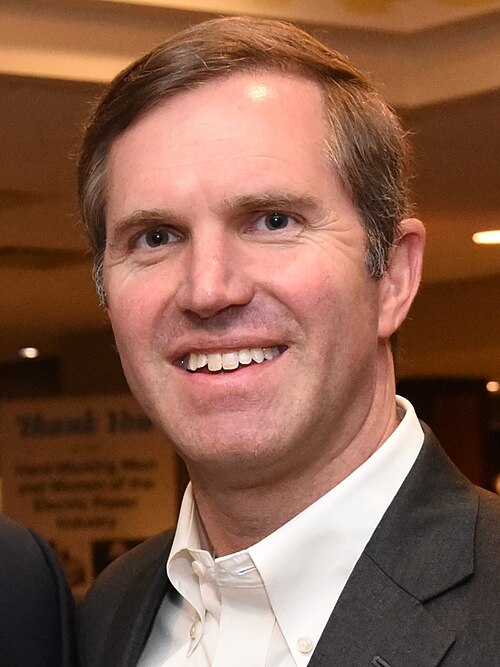
The electability argument in human form: a two-term Democratic governor who keeps winning in one of the reddest states in the country. That profile draws a long look every cycle, because it is the thing the party says it wants and rarely finds. Term-limited out of Kentucky in 2027, Beshear has neither ruled a national run in nor out. His price sits at the bottom of the live tier, where a candidate with a real argument but no declared campaign usually lands this early.
2028 candidate announcement tracker
- JD Vance Vice President
- Marco Rubio Secretary of State
- Tucker Carlson Media Personality
- Ron DeSantis Governor of Florida
- Glenn Youngkin Former Governor of Virginia
- Gavin Newsom Governor of California
- Kamala Harris Former Vice President
- Alexandria Ocasio-Cortez U.S. Representative, NY-14
- Jon Ossoff U.S. Senator, GA
- Josh Shapiro Governor of Pennsylvania
This tracker reflects how traders read each candidate's posture, not a list of filed paperwork. As the field formalizes through 2026 and into 2027, names will move down the ladder from keeping the door open toward clearly preparing and, eventually, formally declared. When a candidate crosses from one stage to the next, the prediction-market prices above almost always move first.
2028 primary calendar
Neither party has locked its 2028 order, and the calendar is itself a live fight, especially on the Democratic side after the 2024 reshuffle put South Carolina first. The dates below are the expected windows based on where each party has signaled it is heading, not finalized schedules. Treat them as a planning guide that will firm up through 2027.
- Mid-Jan 2028 Iowa caucuses open the calendar
- Late Jan 2028 New Hampshire primary
- Early Feb 2028 Nevada caucuses
- Mid-Feb 2028 South Carolina primary
- Mar 2028 Super Tuesday, the first big delegate haul
- Summer 2028 Republican National Convention
- Early Feb 2028 South Carolina primary leads off
- Early Feb 2028 Nevada primary
- Mid-Feb 2028 New Hampshire primary
- Mid-Feb 2028 Michigan primary
- Mar 2028 Super Tuesday
- Summer 2028 Democratic National Convention
Republican vice presidential nominee odds
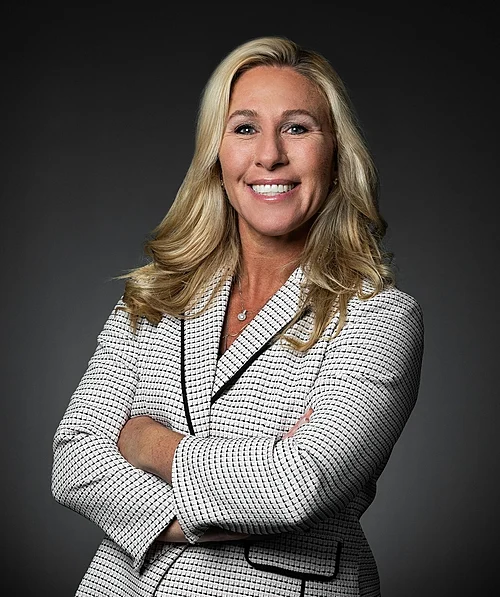
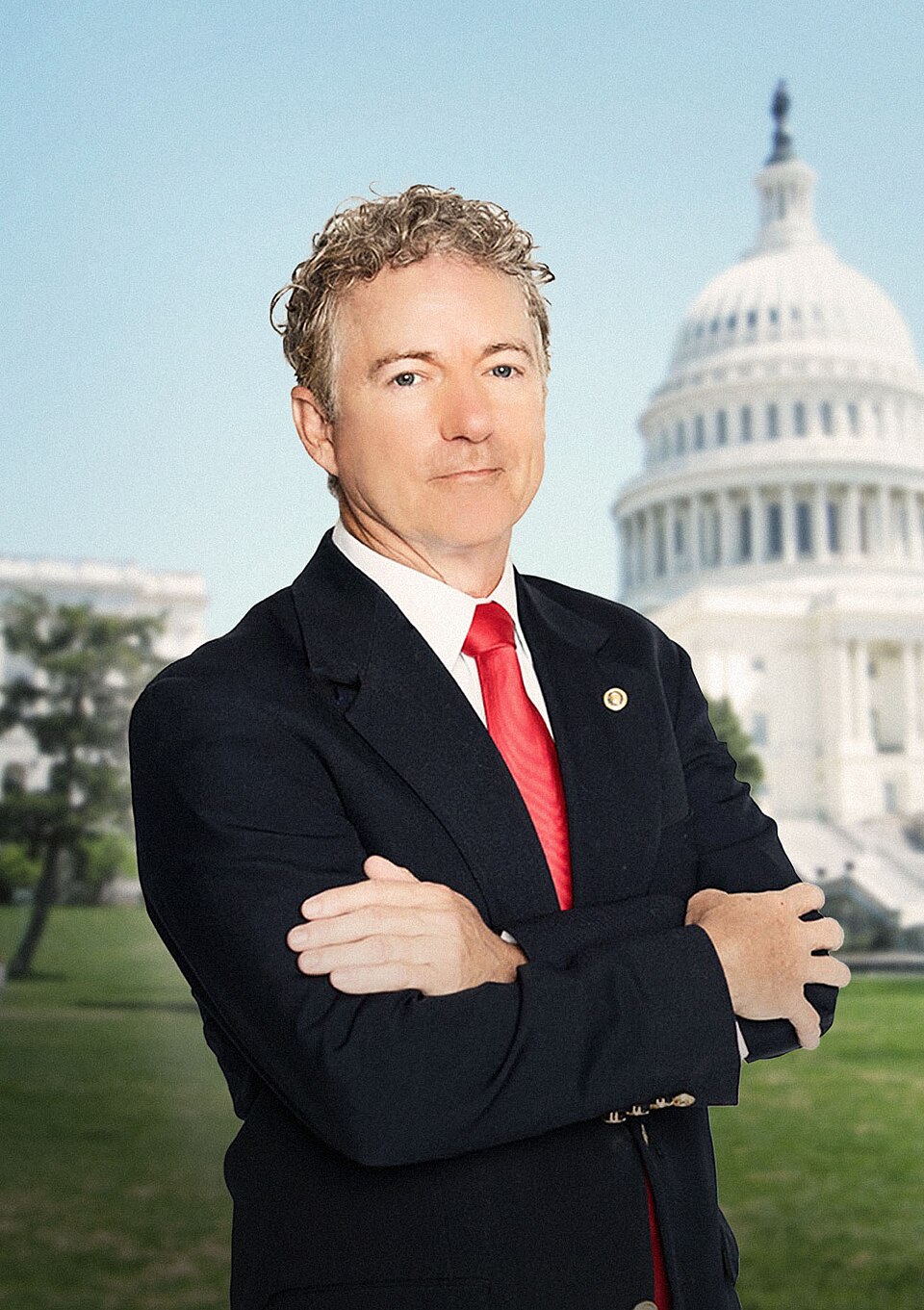

VP markets are usually quiet until the convention, but this one has been active because the field is unusually crowded and the race for second on the ticket is tied up with the broader question of who's lining up to run for the top job in 2032. Whoever gets picked gets a four-year audition. The names trading at the top here are mostly the same names trading near the bottom of the presidential market: ambitious Republicans who'd rather lock in a national platform than spend a year campaigning across Iowa and New Hampshire. The Democratic VP market is largely dormant, for the usual reason that the pick depends on a nominee who isn't determined yet.
How prediction markets compare to polls
There's a reason serious political analysts pay attention to Polymarket and Kalshi now in a way they didn't five years ago. Prediction markets have outperformed polling averages in every presidential race since 2016, sometimes by significant margins. Polymarket called the 2024 presidential race correctly while RealClearPolitics' polling average had it tied. The 2022 midterms produced a similar pattern: the markets correctly read that the predicted red wave wasn't happening before most pollsters did.
Why do markets beat polls? The short answer is that polls measure what voters say and markets measure what informed observers actually believe. A poll asks 800 people a question and reports their answers. A market asks anyone with money on the line to put it where their mouth is. The first method is vulnerable to people lying, people not voting, the wrong people getting sampled. The second strips that out: if you're wrong on a market, you lose money, and the people who keep playing are the ones who are right more often than not.
This isn't a perfect mechanism. Markets get things wrong too, especially when volume is low and a single trader can move a price. They were slow on Brexit and badly mispriced the early 2016 Trump nomination. But over hundreds of resolved markets the track record is clear: when smart money disagrees with polling, smart money is usually right. Markets also update in real time, reflecting what traders believe every minute rather than once a week. For poll-level context, see our political polls page.
How these odds are calculated
The numbers on this page come from two sources. Polymarket is a crypto-based prediction market on the Polygon blockchain, the largest political prediction market in the world by volume, with more than four billion dollars in cumulative trading across all categories. Kalshi is a U.S.-based exchange regulated by the Commodity Futures Trading Commission, and became the first legal way for Americans to trade election contracts after winning a federal appellate court ruling in October 2024. Together these two capture the vast majority of trading volume on U.S. political events.
For each market, we calculate the implied probability as the midpoint of the bid-ask spread, the halfway point between what someone will pay for a contract and what someone will sell one for. We use the midpoint instead of the last trade price because thin markets can have stale last-trade numbers. When both platforms cover the same market, we display whichever has cleaner data. We never blend them, because the two platforms have different user bases that sometimes price markets differently for legitimate reasons.
We pull fresh data twice a day, at 8 a.m. and 6 p.m. Eastern. For most markets that's plenty: prediction market odds rarely move more than a point or two in normal conditions. During unusual events, a debate, a primary night, a major news break, odds can move much faster, and we recommend checking Polymarket or Kalshi directly on those days.
How each state voted
Click any state to see how it voted in past presidential elections and what the current odds say.
- Alabama
- Alaska
- Arizona
- Arkansas
- California
- Colorado
- Connecticut
- Delaware
- District of Columbia
- Florida
- Georgia
- Hawaii
- Idaho
- Illinois
- Indiana
- Iowa
- Kansas
- Kentucky
- Louisiana
- Maine
- Maryland
- Massachusetts
- Michigan
- Minnesota
- Mississippi
- Missouri
- Montana
- Nebraska
- Nevada
- New Hampshire
- New Jersey
- New Mexico
- New York
- North Carolina
- North Dakota
- Ohio
- Oklahoma
- Oregon
- Pennsylvania
- Rhode Island
- South Carolina
- South Dakota
- Tennessee
- Texas
- Utah
- Vermont
- Virginia
- Washington
- West Virginia
- Wisconsin
- Wyoming
Frequently asked questions
When is the 2028 presidential election?
The 2028 U.S. presidential election will be held on Tuesday, Nov. 7, 2028. The new president will be inaugurated on Jan. 20, 2029. Major-party primaries will run from approximately February through June 2028, with the Democratic and Republican national conventions held that summer.
Who can run for president in 2028?
President Donald Trump is term-limited under the 22nd Amendment, having been elected in 2016 and 2024. Both major parties will hold contested primaries to select their 2028 nominees. Any natural-born U.S. citizen at least 35 years old who has been a resident for 14 years is eligible. As of this update, no major-party candidate has formally declared, though several are operating exploratory committees and traveling extensively to early primary states.
How accurate are prediction markets compared to polls?
In academic studies covering decades of resolved markets, prediction markets have outperformed traditional polls in the final 30 days before an election in the majority of cases. Polymarket itself claims a 94 percent accuracy rate one month out from resolution. Independent analyses of the 2024 cycle found that markets called the presidential winner correctly while major polling averages had the race effectively tied. The advantage tends to grow as the election approaches and shrink in the years before, when there's less information for traders to price.
Can I legally bet on the 2028 election myself?
Yes, with caveats. Kalshi became the first CFTC-regulated platform legally permitted to host U.S. election markets after a federal appellate court ruling in October 2024. American residents can sign up, deposit dollars and trade directly. Polymarket technically prohibits U.S. residents under its CFTC settlement. State laws vary: Arizona's attorney general has charged Kalshi with running an illegal gambling operation, and several other state regulators have signaled interest. We don't operate either platform and don't offer legal advice. Check your local laws.
Why do Polymarket and Kalshi sometimes disagree?
The two platforms have different user bases. Polymarket is global and crypto-native, attracting more international traders and politically engaged hobbyists. Kalshi is U.S.-only and dollar-denominated, pulling in more domestic retail participants. Small disagreements are normal. Larger gaps usually indicate one platform has thinner liquidity rather than a real difference in beliefs. When the gap exceeds a few points on a major race, it's worth checking both before drawing conclusions.
How often are these odds updated?
Twice a day. Our system pulls fresh data from both APIs at 8 a.m. and 6 p.m. Eastern and writes the new probabilities to our database, which the page reads on every load. The timestamp at the top of the page reflects the most recent successful fetch.
Has the prediction market ever called a presidential race wrong?
Yes. The most notable miss was 2016, when Polymarket's predecessor markets had Hillary Clinton as a heavy favorite into election night. The Brexit vote earlier that year produced a similar mispricing. Both cases shared a feature: traders were too confident in conventional polling and too dismissive of populist voters less likely to be reached by traditional methods. Markets have been better calibrated since, but they aggregate the conventional wisdom plus a money-weighted skepticism, and when the conventional wisdom is badly wrong about something fundamental, the markets can be too.
Where can I see odds for the Senate, House and governor races?
On the linked pages above. We track Senate control, House control and the major gubernatorial races on dedicated pages, plus combined balance-of-power markets that price the trifecta scenarios. All use the same data sources and update cadence as this page.
We don't operate Polymarket or Kalshi. We aggregate their public data twice a day and present it in one place, for free, with no affiliate spam.