
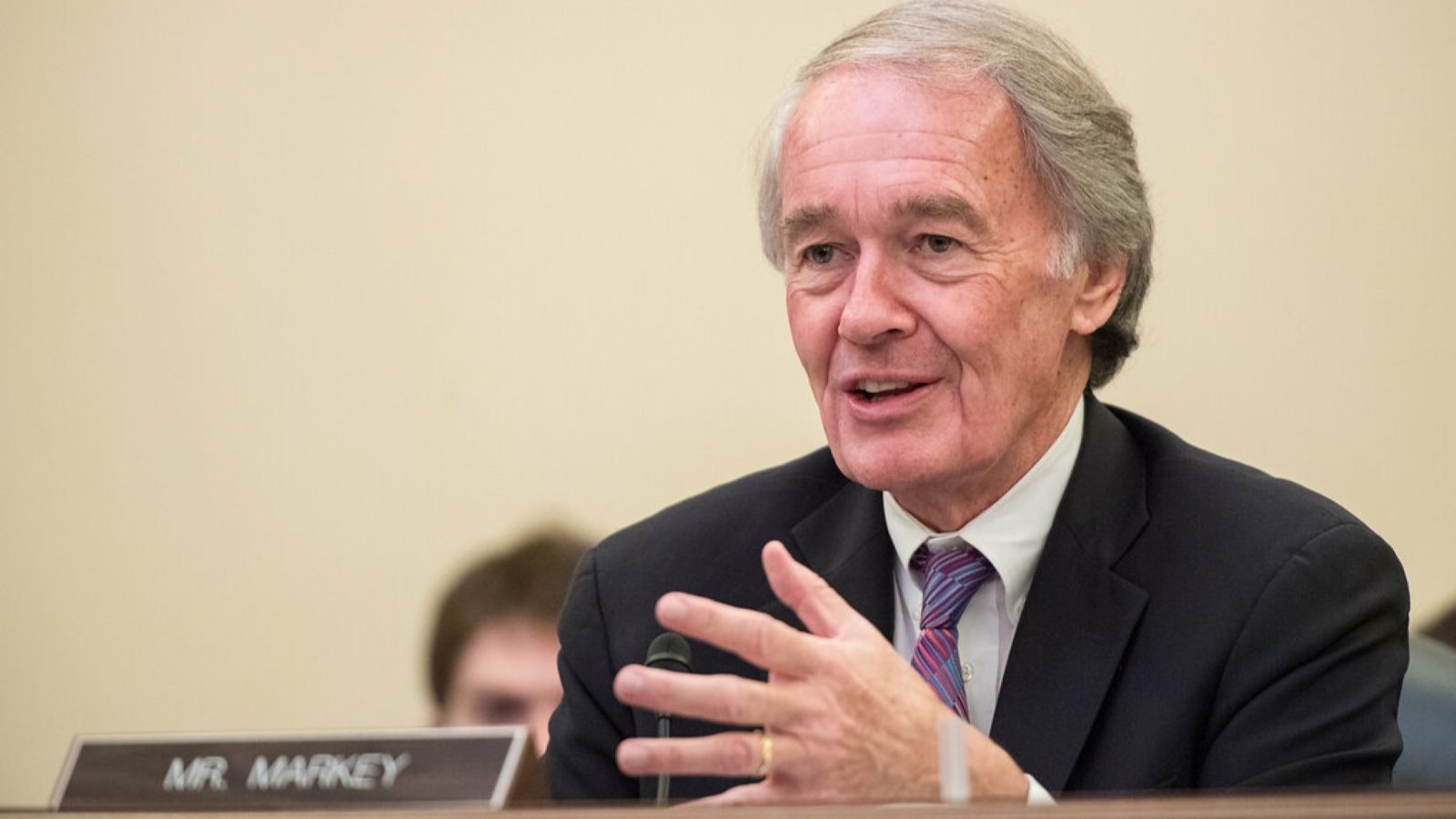
- Ed Markey took about 65 percent against Seth Moulton, and Kalshi had him at 99.5 cents when polls opened on September 1.
- Richard Neal was priced at 90 cents in MA-01 and won 54.1 to 45.9, the one Massachusetts board where the market missed the margin.
- Dan Koh won the six way MA-06 race with 42.2 percent to Tram Nguyen's 29.5, off an 88 cent price.
- Michael Minogue beat Brian Shortsleeve 72 to 28 from a 98 cent price, and Kalshi now has Democrats near 96 percent to keep the governor's office.
- Stephen Lynch was the only live board at 79 cents against Patrick Roath at 20, and he won by about 11 points.
BOSTON, MA - Massachusetts closed the primary calendar on September 1, and the market went 11 for 11 on winners. Kalshi listed eleven nominee boards, ten of them priced at 88 cents or better. Every favorite held. The only thing the exchange got wrong was how close one of them would be, and that miss came in western Massachusetts rather than in the marquee race. Here is how Tuesday reshaped the Massachusetts race odds for November.
U.S. Senate: A 99.5 Cent Favorite Pays Half A Cent
Markey was bid at 99.5 cents on Tuesday morning with Moulton at 0.4. The AP called it just after 8:30 p.m., with fewer than 5 percent of precincts in. Unofficial results put Markey at roughly 65 percent.
That is close to what the polls had said for weeks. A YouGov survey in early August found Markey ahead 60 to 32, and he led every age group, including voters 18 to 29. Moulton built his campaign on the argument that an 80 year old should not seek a six year term. The voters who were supposed to reward that argument backed Markey instead.
Bettors got nothing out of this one, which was the point. A contract that closes at 99.5 cents pays half a penny for being right and costs a dollar for being wrong. The general is not much better. John Deaton ran unopposed on the Republican side, Kalshi has priced the Democratic side near 97 cents, and no Republican has won a Massachusetts Senate race since 2010. The August general election polling had Markey up 51 to 30. There is no live Senate race odds market here.
U.S. House: The 90 Cent Miss In MA-01
Neal is the story. Kalshi had him bid at 90 cents against Jeromie Whalen at 8, and the 77 year old chair emeritus of Ways and Means won 54.1 to 45.9. That is a 20 point market edge that turned into an 8 point result, and it is tighter than the 59 to 41 win Neal ground out against Alex Morse in 2020. A high school journalism teacher came within single digits of him.
Whalen at 8 cents was the best value on the Massachusetts board and it still lost. That is the honest read. The favorite won, so the ticket paid nothing, and anyone who bought the tail was right about the shape of the race and wrong about the result.
Koh handled MA-06 as priced. He took 42.2 percent to Nguyen's 29.5, with John Beccia at 12.3 and Jamie Belsito at 8.8, off an 88 cent line. He faces Republican Micah Jones on November 3 in a seat every handicapper calls safe Democratic. Five Massachusetts incumbents drew primary challenges and all five survived, which is the cleanest signal on the House race odds board this cycle. Lynch at 79 cents was the only contract the exchange treated as a real race, and he beat Roath by about 11.
Governor: Chalk Confirmed, Nothing To Collect
Minogue closed at 98 cents and won 72 to 28. The AP called it at 8:44 p.m. with about 7 percent counted. Shortsleeve conceded that night and endorsed him.
None of that was in doubt after April, when Minogue took 70 percent of the delegates at the state convention and Shortsleeve barely cleared the 15 percent threshold to make the ballot. Minogue has now put more than $15 million of his own money into the race.
He faces Maura Healey, who was unopposed. Kalshi has the Democratic side near 96 percent, and the polling average has Healey up 22.7 points. Those are the only governor race odds left, and they are already priced.
Down the Ballot
Nothing here had a market and nothing needed one. Every Democratic statewide incumbent ran unopposed, and on the Republican side both John Deaton and treasurer candidate Elizabeth Dionne walked to their nominations without a contest. The competitive races were the Governor's Council districts and a handful of State House seats, none of which any exchange prices.
The interesting part is what did not happen. Longtime incumbents lost primaries this year in Connecticut, Michigan, and New York. In Massachusetts, five House members drew challengers and five held. Markey held. Neal held. The generational wave hit a wall.
The Bettor's Read
The Senate was a fade with no upside. Markey at 99.5 cents returns half a penny, and the polling had already settled the question three weeks out. Moulton at 0.4 was a lottery ticket on a candidate who lost every age group. Neither side of that board was a bet.
MA-01 is the lesson. A 90 cent favorite who wins by 8 in a district he has held since 1989 tells you the exchange was pricing incumbency rather than the race in front of it. That is the same error the market made in Oklahoma last week, where Mazzei at 80 cents won by 2,000 votes. Whalen at 8 was the right read and the wrong result, and Neal at 90 was a bad price that cashed anyway.
November leaves almost nothing. Democrats sit near 96 percent for governor and near 97 for Senate, Koh is chalk in a safe seat, and Massachusetts is done as a betting state. For boards where the number still moves, work the wider national odds board.