
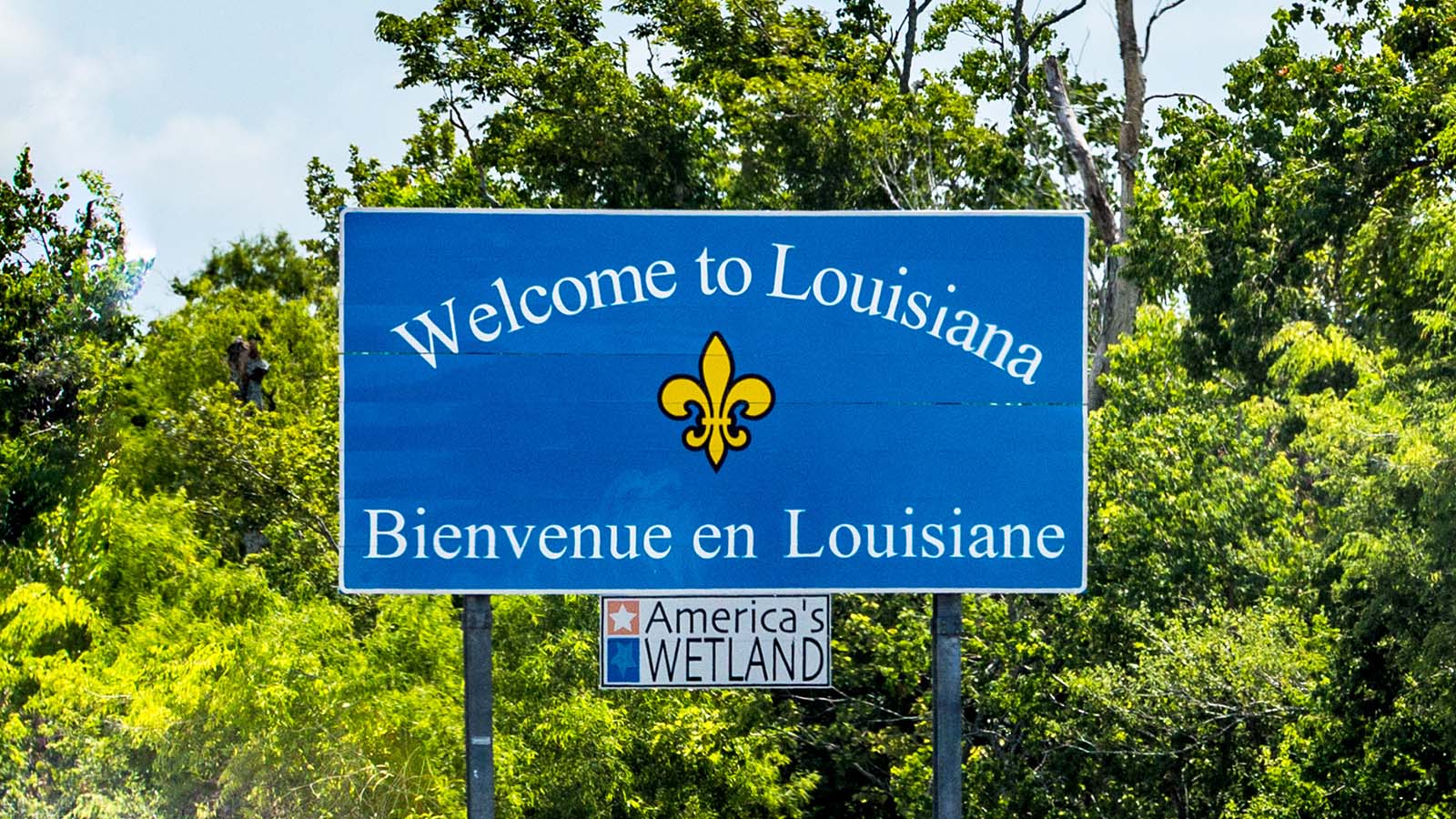
- Louisiana lawmakers passed a new congressional map Friday that eliminates one of the state’s two majority-Black districts, likely handing Republicans an additional House seat heading into November.
- The map was drawn in response to the Supreme Court’s April 29 ruling in Louisiana v. Callais, which struck down the 2024 map as an unconstitutional racial gerrymander in a 6-3 decision along partisan lines.
- The decision triggered a broader redistricting wave in the South. Florida, Tennessee, and Alabama all moved quickly to redraw maps in ways that favor Republicans, pushing House control odds toward the GOP on Polymarket.
- Democrat Cleo Fields, who won Louisiana’s 6th Congressional District in 2024 under the old map with 54.7% of the vote, will lose his district entirely under the new lines. Sabato’s Crystal Ball now rates Louisiana as five safe Republican seats and one safe Democratic seat.
- For those tracking election odds on House control, Louisiana’s redistricting is one of several dominos that shifted the prediction market picture in Republicans’ favor in a matter of weeks.
Louisiana’s New Map Is Law: What It Means for House Odds
BATON ROUGE, La. — Louisiana’s Legislature passed a new congressional map Friday. The vote came exactly one month after the U.S. Supreme Court upended the state’s political map — and one month after prediction market odds for House control began moving toward Republicans.
The new map eliminates one of the state’s two majority-Black congressional districts and gives Republicans a probable fifth seat out of six in the Louisiana delegation. That is one more seat than they held just six months ago.
Was it a surprise? On the surface, no. The Supreme Court case had been on the docket since 2024. But the speed of the legislative response — and the broader redistricting cascade it triggered across the South — moved faster than prediction markets had fully priced.
The Ruling That Started It All
On April 29, the Supreme Court issued its decision in Louisiana v. Callais. In a 6-3 vote along partisan lines, the court struck down Louisiana’s 2024 congressional map.
That map had been drawn under orders from a lower federal court to include a second majority-Black district. Black residents make up roughly one-third of Louisiana’s population. Republicans had challenged the 2024 map, arguing it was an unconstitutional racial gerrymander.
Justice Samuel Alito wrote the majority opinion. It narrowed Section 2 of the Voting Rights Act by requiring plaintiffs to prove discriminatory intent, rather than discriminatory effect. Justice Elena Kagan wrote in dissent that the decision would “set back the foundational right Congress granted of racial equality in electoral opportunity.”
The ruling cleared the way for Republican-controlled legislatures in the South to quickly redraw maps before the November midterms.
What the New Louisiana Map Does
The Louisiana Legislature passed the new map Friday. The bill was sponsored by state Sen. Jay Morris, a Republican from West Monroe, and backed by Senate President Cameron Henry.
The new map keeps a single majority-Black district in the Baton Rouge-to-New Orleans corridor. The 6th Congressional District — which ran diagonally from Baton Rouge to Shreveport and was used for the first time in the 2024 elections — is eliminated entirely.
Morris was open about his goals. He said the map was drawn to “maximize Republican advantage.” Senate Republicans passed it in a 27-10 party-line vote. The House version was approved after a 10-hour hearing in which public testimony ran overwhelmingly against the plan.
Cleo Fields: A Seat Won in 2024, Gone by 2026
Democrat Cleo Fields won the 6th District in November 2024 with 54.7% of the vote. It was only the second time in nearly 50 years that a Democrat had won that seat. Fields, 61, had previously served in Congress in the 1990s after first winning in 1992.
The new map erases his district. Louisiana will now have five safe Republican seats and one safe Democratic seat, according to Sabato’s Crystal Ball. Fields has not yet said publicly how he will respond.
What the Prediction Markets Said — Before and After
Before the Supreme Court ruling, betting sites with election odds in Louisiana both had Democrats as clear favorites to flip the House in November. Democrats were priced around 73-82% to win control of the chamber through much of April.
Then the redistricting cascade hit. Florida’s Republican legislature passed a new map that could yield Republicans up to four additional seats. Tennessee redrew districts to carve up a majority-Black district in Memphis. Louisiana followed. Alabama’s process is still in court.
Polymarket’s own event log notes that the post-ruling redistricting activity “created more Republican-leaning seats, increasing GOP prospects for the House.” House control markets tightened as each new map was passed.
The Kalshi House seat count forecast dropped from roughly 212 projected Republican seats in November 2025 to 203 by March 2026 — a nine-seat Democratic swing. But the redistricting news reversed some of that momentum, and the market has moved back toward a tighter race.
Was This a Surprise?
The Supreme Court ruling itself was not a complete shock. The case had been working through the courts since 2022. Right-leaning justices had previously signaled interest in limiting race-based redistricting requirements.
But the breadth of the reaction — multiple Southern states acting within days or weeks — moved faster than many market participants expected. Prediction markets are supposed to price in known risks ahead of time. The Southern redistricting wave suggests they had not fully done so.
The net effect is that Republicans are now competing for more seats than they were a month ago. Democrats are defending fewer safe seats. And the election odds are tighter on House control than they looked on April 28.
The Bottom Line
Louisiana’s new map is now law. It adds one probable Republican seat to the November battleground. Cleo Fields loses the district he just won in 2024.
The market verdict on the redistricting wave has been consistent: Based on new election odds for the House, Republicans gained ground as each new map was passed. The cumulative effect of Louisiana, Florida, Tennessee, and Alabama acting within weeks of the Supreme Court ruling is substantial.
Whether courts step in to block any of these maps remains an open question. Legal challenges are already being prepared. But for now, the maps are in place, the filing deadlines are approaching, and the odds have shifted.
Louisiana’s general election is set for November 3, 2026. Courts could still intervene before then.